El-EmbabyDental Clinic
ع Book
Dental Implants

Replace, for goodImplants & oral surgery

Dental Implants

Fixed tooth replacement · New Cairo

A fixed, natural-feeling replacement for missing teeth that helps protect your bite and jawbone.

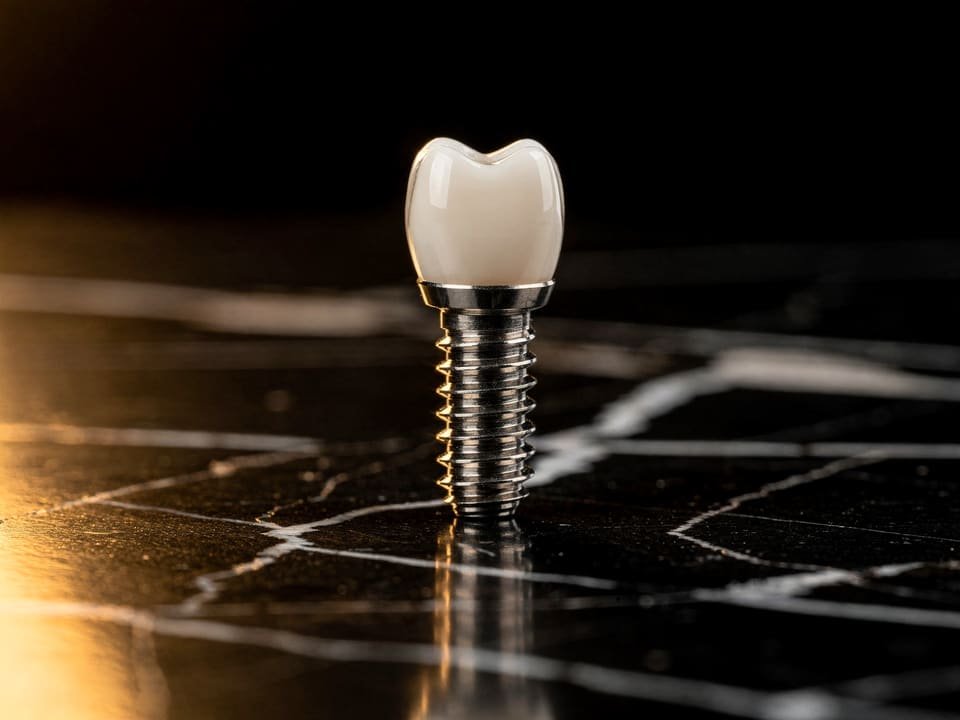
A dental implant is a small post, usually made of titanium, placed in the jawbone, where it bonds with the bone and acts as a new root. Topped with a ceramic crown, it replaces a missing tooth with something fixed, stable and natural-looking — without reshaping the neighbouring teeth.

Why replace a missing tooth?

When a tooth is lost and the gap is left, the body tries to close it. Neighbouring teeth can drift and tilt, the opposing tooth may over-erupt, food traps more easily and the risk of decay and gum problems rises — the domino effect. The bone that held the tooth also gradually shrinks without stimulation. An implant replaces the root as well as the crown, which helps preserve bone and keeps the bite stable. Implants can replace a single tooth, support a bridge for several teeth, or hold a full-arch restoration or denture securely.

What to expect

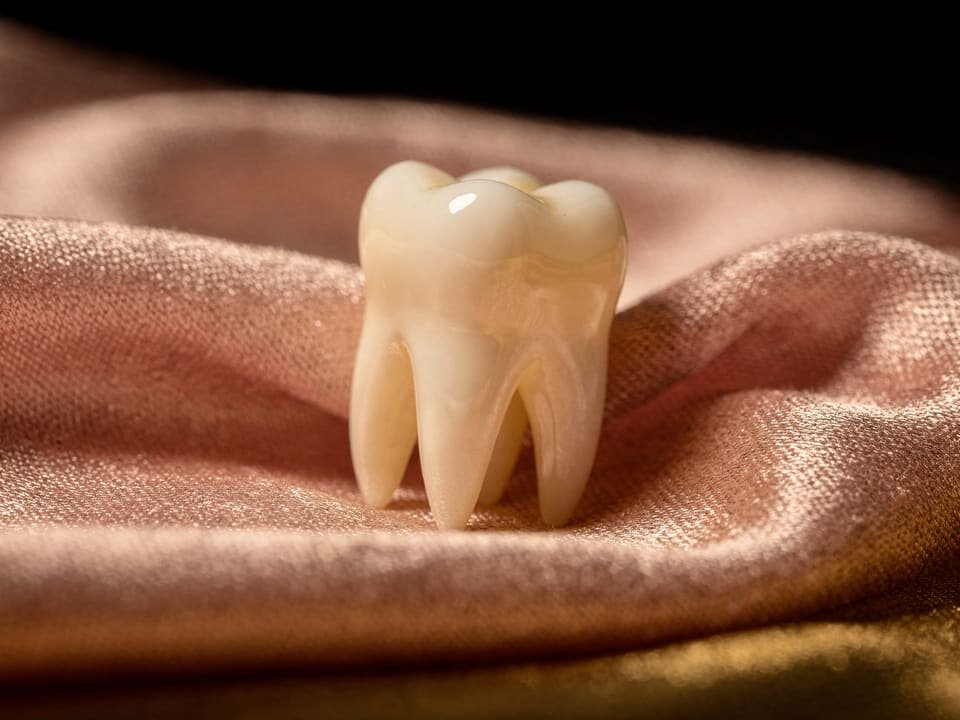
Planning comes first: we assess your gums, bite and general health, and check the bone with X-rays, including 3D imaging when needed. The implant is placed under local anaesthetic, and many patients find it more comfortable than they expected — often similar to an extraction. The implant then needs time to integrate with the bone, typically a few months, during which a temporary solution can fill the gap. Finally, a scan is taken and a custom ceramic crown is made and fixed on top. If bone is limited, grafting may be advised first.

Recovery & aftercare

Some swelling, mild discomfort and minor bleeding are normal for a few days after placement; pain relief, cold compresses and soft food usually manage them well. We give you written instructions on rinsing, eating and medication. Smoking significantly slows healing and raises the risk of complications, so stopping, at least around treatment, makes a real difference. Long term, implants need the same care as natural teeth: thorough brushing, cleaning between teeth and regular professional check-ups. Healthy gums around the implant are key to keeping it for many years.

§Dental Implants

How it works

  1. 01

    Consultation & planning

    We assess your gums, bite, health and bone with X-rays, and plan the implant position.

  2. 02

    Preparation

    Any extraction, gum treatment or bone grafting needed is completed first.

  3. 03

    Implant placement

    Under local anaesthetic, the implant is placed precisely in the bone.

  4. 04

    Healing & integration

    Over a few months the implant bonds with the bone, with a temporary option if needed.

  5. 05

    Final crown

    A custom ceramic crown is scanned, made and fixed to the implant.

Session 06The Chair Sessions

The domino effect

One missing tooth can set the whole arch moving. Why replacing it with an implant or bridge matters.

Transcript→

§Questions, answered

Dental Implants

Is implant surgery painful?

Placement is done under local anaesthetic, so you should feel pressure rather than pain during the procedure. Afterwards, most patients have mild to moderate discomfort for a few days, usually controlled with standard pain relief. Many are surprised by how manageable it is.

Am I suitable for implants?

Most healthy adults with a missing tooth can be considered. Bone volume, gum health, smoking, uncontrolled diabetes and some medications can affect suitability or healing. We assess these carefully, and in many cases bone grafting or other preparation makes implants possible.

How long does the whole process take?

From placement to final crown, treatment typically takes a few months to allow the implant to bond with the bone. If an extraction or bone graft is needed first, it takes longer. In selected cases, a temporary tooth can be attached sooner.

Implant or bridge?

Both replace a missing tooth. A bridge relies on crowning the neighbouring teeth, while an implant stands on its own and leaves them untouched. Implants are often preferred when neighbouring teeth are healthy and bone is adequate, but a bridge remains a good option in some cases.

Results vary from person to person. Every treatment plan is decided after an in-person clinical examination.

Message us on Instagram WhatsApp us