El-EmbabyDental Clinic
ع Book
Zirconia Crowns

The foundationRestorative & endodontics

Zirconia Crowns

Metal-free dental crowns · New Cairo

High-strength, metal-free crowns for broken, weak or root-treated teeth.

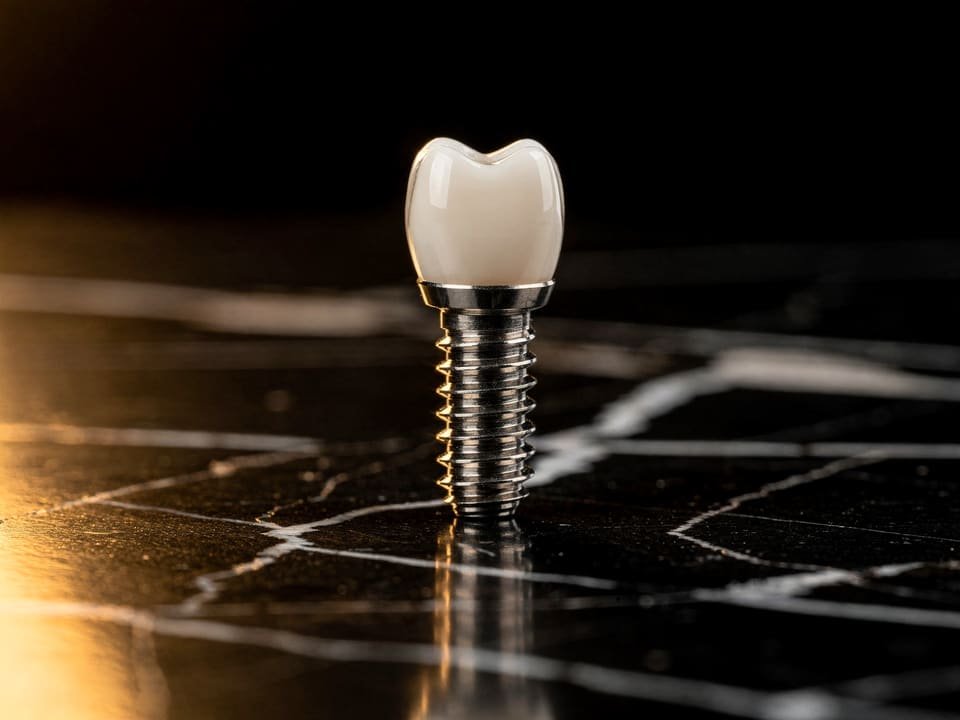
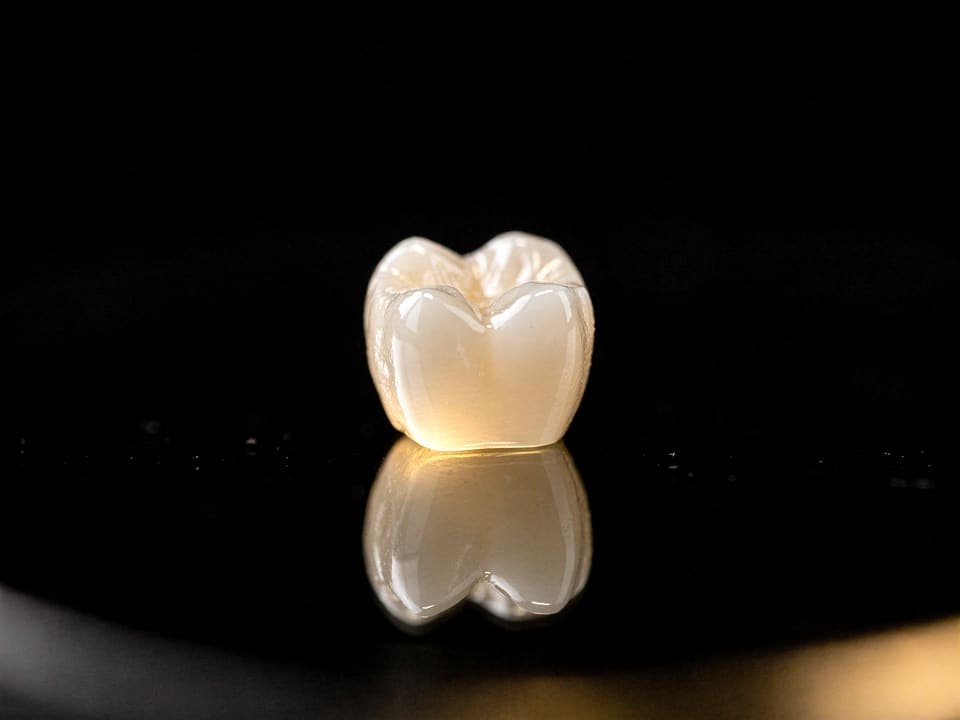
When a tooth needs more than a veneer — after a root canal, a large filling or a fracture — a zirconia crown covers and protects it, restoring its strength and shape. Metal-free and highly durable, zirconia can be shade-matched to your natural teeth and to E-max restorations for one seamless smile.

When is a crown needed?

A crown is recommended when a tooth is too damaged to be restored predictably with a filling alone. Common reasons include a large old filling that leaves thin, weak walls; a cracked or broken tooth; and back teeth after root canal treatment, which are more prone to fracture without protection. Crowns are also used on dental implants, as part of a bridge to replace a missing tooth, and to replace old metal-ceramic crowns that show a dark line at the gum. Where enough tooth remains, we may suggest a more conservative onlay instead.

What to expect

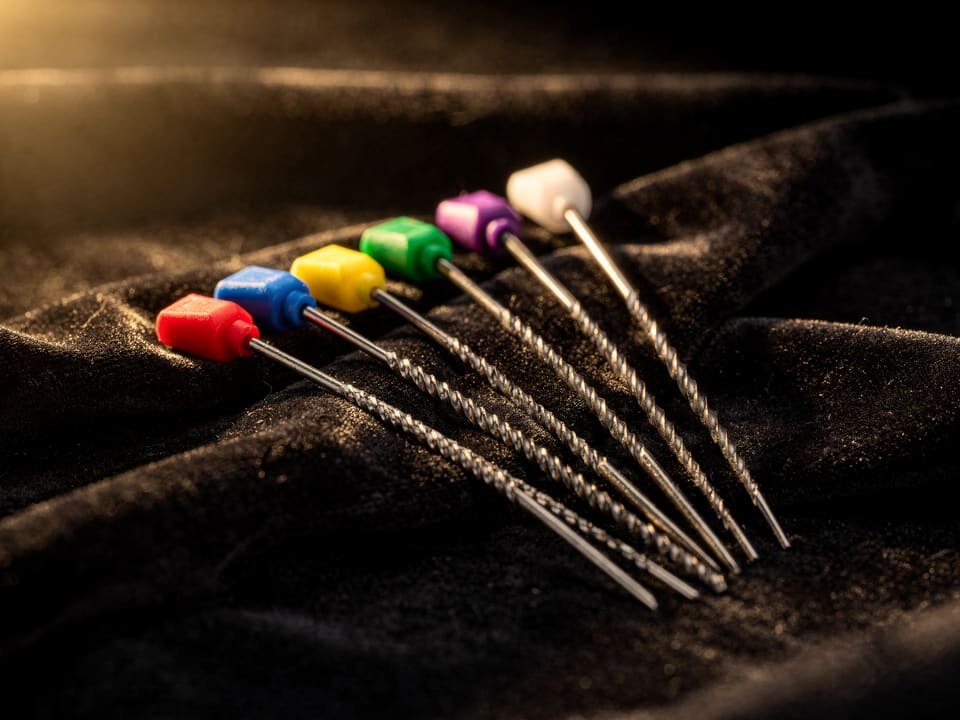
Treatment usually takes two visits. At the first, under local anaesthetic, we remove any decay or old filling, shape the tooth and take a digital 3D scan. A temporary crown protects the tooth while the final crown is made. At the second visit we check the fit, colour and contacts, adjust your bite and cement the crown in place. Preparing a tooth for a crown feels similar to having a filling; most patients feel pressure and vibration rather than pain.

Zirconia or E-max — and aftercare

Zirconia and E-max are both excellent, metal-free ceramics. Zirconia is chosen where strength matters most, such as back teeth or patients who grind; E-max where maximum translucency matters most, usually at the front. Often a smile uses both, matched to each other. A crown cannot decay, but the tooth underneath can, particularly at the margin near the gum, so brushing, flossing and regular check-ups remain essential. Avoid chewing ice or very hard objects, and wear a night guard if we recommend one.

§Zirconia Crowns

How it works

  1. 01

    Examination & X-ray

    We assess the tooth, its nerve and the surrounding gum and bone before recommending a crown.

  2. 02

    Preparation & 3D scan

    Under local anaesthetic the tooth is shaped and scanned digitally for a precise fit.

  3. 03

    Temporary crown

    A temporary crown protects the tooth and keeps you comfortable while the final crown is made.

  4. 04

    Fitting & bite check

    We check colour, contacts and bite, then cement the zirconia crown in place.

Session 06The Chair Sessions

The domino effect

One missing tooth can set the whole arch moving. Why replacing it with an implant or bridge matters.

Transcript→

§Questions, answered

Zirconia Crowns

Zirconia or E-max for a crown?

Both are excellent. Zirconia is chosen where strength matters most; E-max where maximum translucency matters most. Often a smile uses both, matched to each other. We recommend the material for each tooth based on its position, your bite and the look you want.

How long does a zirconia crown last?

With good care, zirconia crowns are designed to last for many years. Their lifespan depends on the health of the tooth underneath, your gums, your bite and habits such as grinding. Regular check-ups let us spot any problems at the margins early, while they are still simple to manage.

Does a root-treated tooth always need a crown?

Not always, but often. Back teeth that have had root canal treatment usually benefit from a crown, because they carry heavy chewing forces and can become more brittle. Front teeth with little damage may only need a filling. We decide based on how much healthy tooth remains.

Results vary from person to person. Every treatment plan is decided after an in-person clinical examination.

Message us on Instagram WhatsApp us