El-EmbabyDental Clinic
ع Book
Orthodontics

Straight, gentlyOrthodontics

Orthodontics

Braces & clear aligners · New Cairo

Metal braces, ceramic braces or clear aligners to straighten teeth and correct the bite — for teens and adults.

Orthodontic treatment gradually moves teeth into better positions using gentle, controlled forces. Whether you choose fixed braces or removable clear aligners, the goal is the same: straighter teeth, a healthier bite and a smile that is easier to keep clean.

When is orthodontics needed?

Orthodontics can correct crowded or overlapping teeth, gaps, protruding front teeth, and bite problems such as overbite, underbite, crossbite or open bite. Beyond appearance, well-aligned teeth are easier to clean, which helps protect gums and enamel, and a balanced bite spreads chewing forces more evenly. Treatment is common for teenagers, but there is no upper age limit: many adults straighten their teeth, often before veneers or other cosmetic work, to allow a more conservative result. We recommend a first orthodontic check for children at around seven.
Braces or clear aligners?

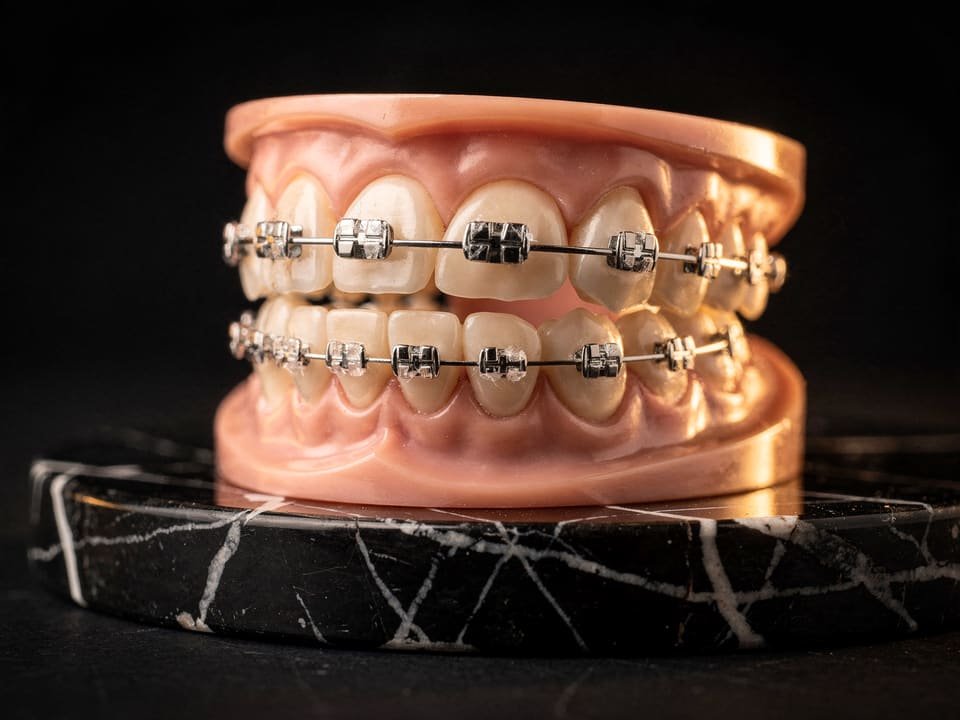
Metal braces are the most versatile option and very effective for complex movements. Ceramic braces work the same way, with tooth-coloured brackets that are much less noticeable. Clear aligners are a series of thin, removable trays, each moving the teeth a little further; they are discreet and can be taken out to eat and brush, but must be worn for most of the day, usually around 20 to 22 hours, to work. Not every case suits aligners. After examining your teeth and bite, we explain which options can achieve your goals, and the trade-offs of each.

Treatment and retention

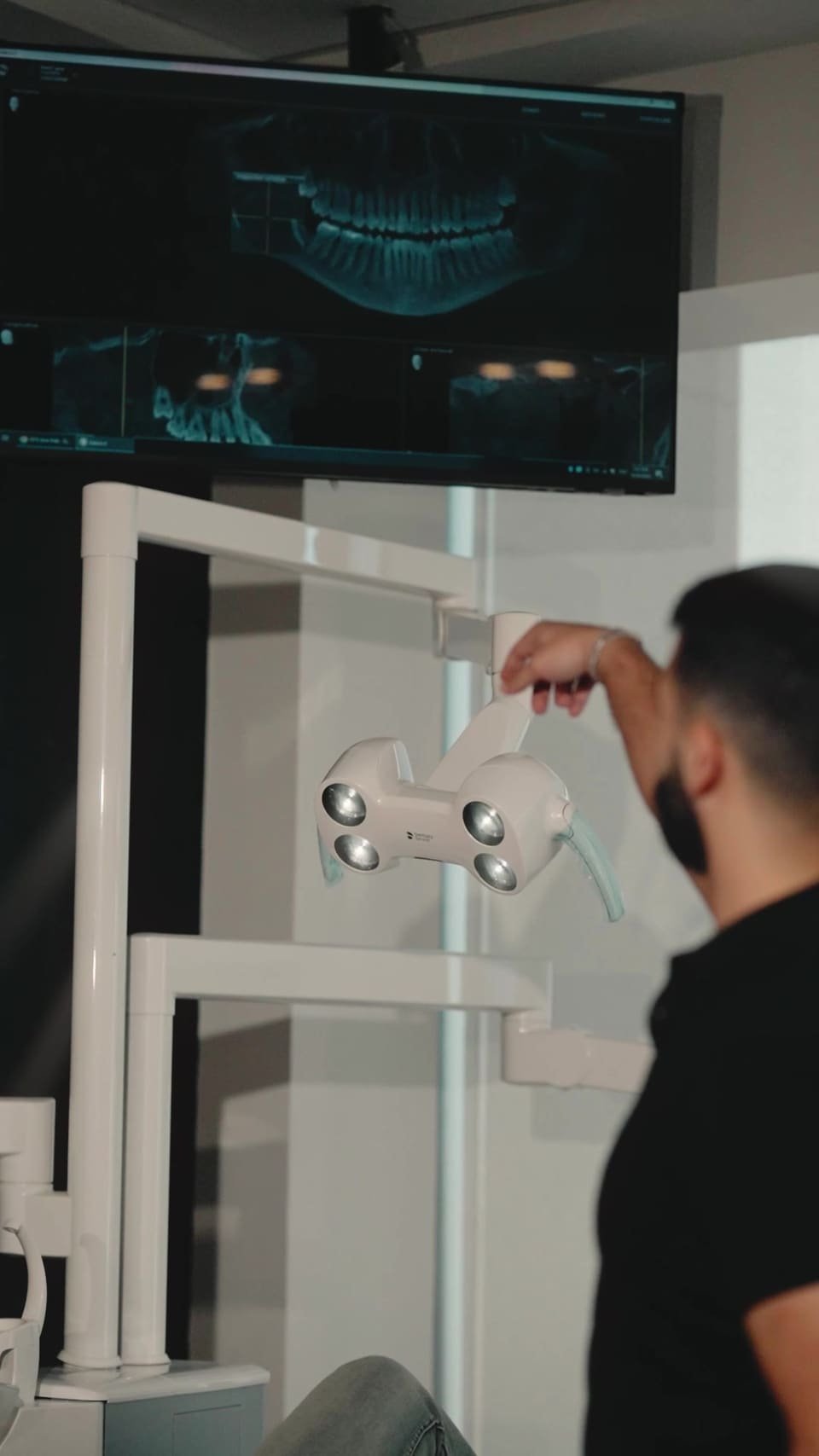
Treatment starts with records: photographs, X-rays and a digital scan used to plan the movements. Braces are adjusted at regular visits, usually every four to eight weeks; aligner patients receive new sets and have progress checks. Teeth often feel tender for a few days after an adjustment or a new aligner, which is normal. Depending on the case, treatment typically lasts from several months to two years or more. Once the teeth are straight, retainers are essential: without them teeth tend to drift back, so most patients wear them long term, often at night.

§Orthodontics

How it works

  1. 01

    Orthodontic consultation

    We examine your teeth, bite and jaws and discuss what you would like to change.

  2. 02

    Records & digital plan

    Photographs, X-rays and a 3D scan are used to plan each tooth movement.

  3. 03

    Braces or aligners fitted

    Braces are bonded, or your first aligners are fitted, with clear instructions.

  4. 04

    Regular reviews

    We adjust braces or check aligner progress every few weeks.

  5. 05

    Retention

    Retainers hold your new smile in place once active treatment ends.

§Questions, answered

Orthodontics

Am I too old for braces?

No. Teeth can be moved at any age as long as the gums and bone are healthy. Many orthodontic patients are adults, and discreet options such as ceramic braces or clear aligners make treatment easier to fit into working and social life.

Do braces hurt?

Braces and aligners do not usually cause sharp pain, but teeth often feel sore and under pressure for a few days after fitting or an adjustment. Soft food and simple pain relief help. Brackets can rub the cheeks at first; orthodontic wax eases this while your mouth adapts.

How long does treatment take?

It depends on the complexity of your case. Minor alignment may take several months, while more complex bite corrections can take two years or more. We give you an estimated timeline once your records are taken, and following instructions on elastics or aligner wear keeps treatment on track.

Why do I need a retainer?

Teeth naturally tend to move back towards their old positions, especially in the first months after treatment. A retainer, either fixed behind the teeth or removable, holds the result. Most people are advised to wear retainers long term, usually at night, to keep their teeth straight.

Results vary from person to person. Every treatment plan is decided after an in-person clinical examination.

Message us on Instagram WhatsApp us