El-EmbabyDental Clinic
ع Book
Tooth Extraction & Wisdom Teeth

Gentle removalImplants & oral surgery

Tooth Extraction & Wisdom Teeth

Wisdom tooth removal · New Cairo

Careful, comfortable extractions — including impacted wisdom teeth — when a tooth cannot be saved.

Our first aim is always to save a natural tooth. When that is not possible — or when a wisdom tooth is causing problems — we remove it as gently as we can, with careful planning, effective anaesthesia and clear aftercare so that healing goes smoothly.

When is extraction needed?

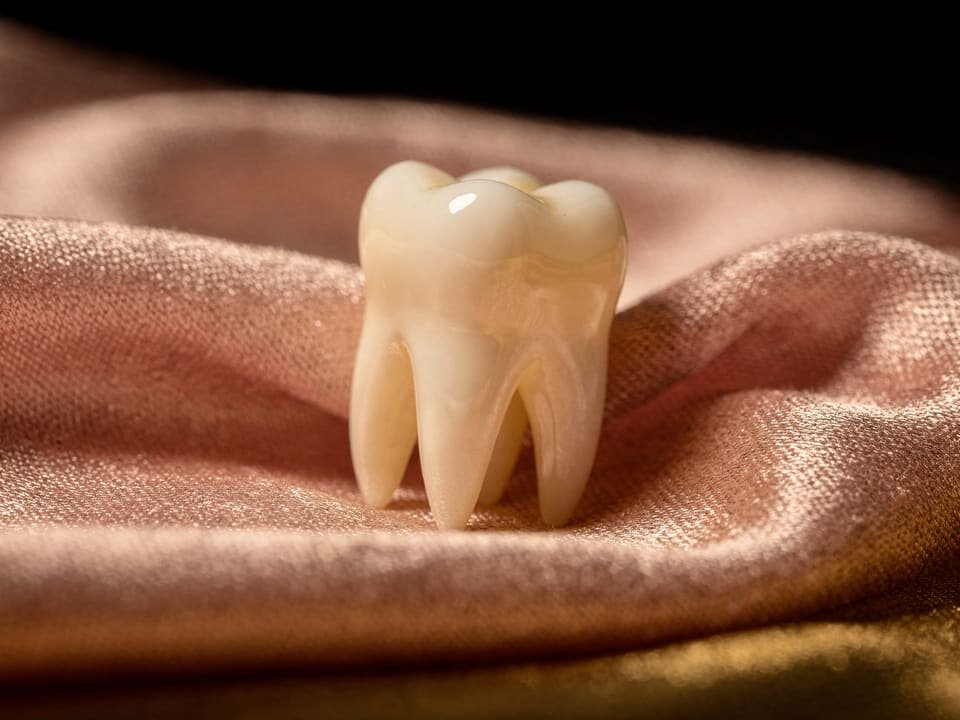
An extraction may be recommended for a tooth that is too broken or decayed to restore, a tooth with severe infection or advanced gum disease, or teeth that need to be removed as part of orthodontic treatment. Wisdom teeth are a common reason: when there is not enough space they can become impacted, partly erupted or angled against the neighbouring tooth, leading to repeated gum infection, pain, food trapping or decay. Wisdom teeth that are healthy, fully erupted and easy to clean do not always need removing; we decide based on your examination and X-ray.
What to expect

We begin with an examination and a panoramic or digital X-ray to see the roots and their relationship to nearby structures. The area is numbed thoroughly, so you feel pressure but should not feel sharp pain. Simple extractions are often quick. Impacted wisdom teeth may need a minor surgical procedure: a small opening in the gum, sometimes dividing the tooth so it can be removed in pieces with less force, then a few stitches. We explain each step beforehand and check in with you throughout.

Recovery & aftercare

Bite on gauze for as long as we advise to help a blood clot form, and avoid rinsing, spitting, smoking or using a straw for the first day, as these can disturb the clot. Swelling and discomfort usually peak in the first two to three days and then improve; cold compresses, soft food and the medication we recommend all help. From the next day, gentle salt-water rinses keep the area clean. Call us if pain worsens after a few days, bleeding does not stop or you develop a fever.

§Tooth Extraction & Wisdom Teeth

How it works

  1. 01

    Examination & X-ray

    We check whether the tooth can be saved and study the roots on X-ray.

  2. 02

    Numbing

    Local anaesthetic is given and we make sure the area is fully numb before starting.

  3. 03

    Gentle removal

    The tooth is eased out carefully; impacted wisdom teeth may need a small surgical approach.

  4. 04

    Aftercare & review

    You leave with written instructions, and we review healing and discuss replacing the tooth.

§Questions, answered

Tooth Extraction & Wisdom Teeth

Do all wisdom teeth need to be removed?

No. Wisdom teeth that have erupted fully, sit in a healthy position and can be cleaned well can often stay. Removal is usually advised when they are impacted, keep causing infection or pain, damage the neighbouring tooth or cannot be kept clean.

How long does recovery take?

After a simple extraction, most people feel back to normal within a few days. After surgical wisdom tooth removal, swelling and stiffness usually settle within about a week. Complete healing of the bone takes longer, but this happens quietly in the background without discomfort.

What is a dry socket?

A dry socket happens when the blood clot in the socket is lost too early, exposing the bone and causing increasing pain a few days after extraction. Following aftercare advice, especially not smoking or using straws, lowers the risk. If it happens, we can treat it and relieve the pain.

Should I replace an extracted tooth?

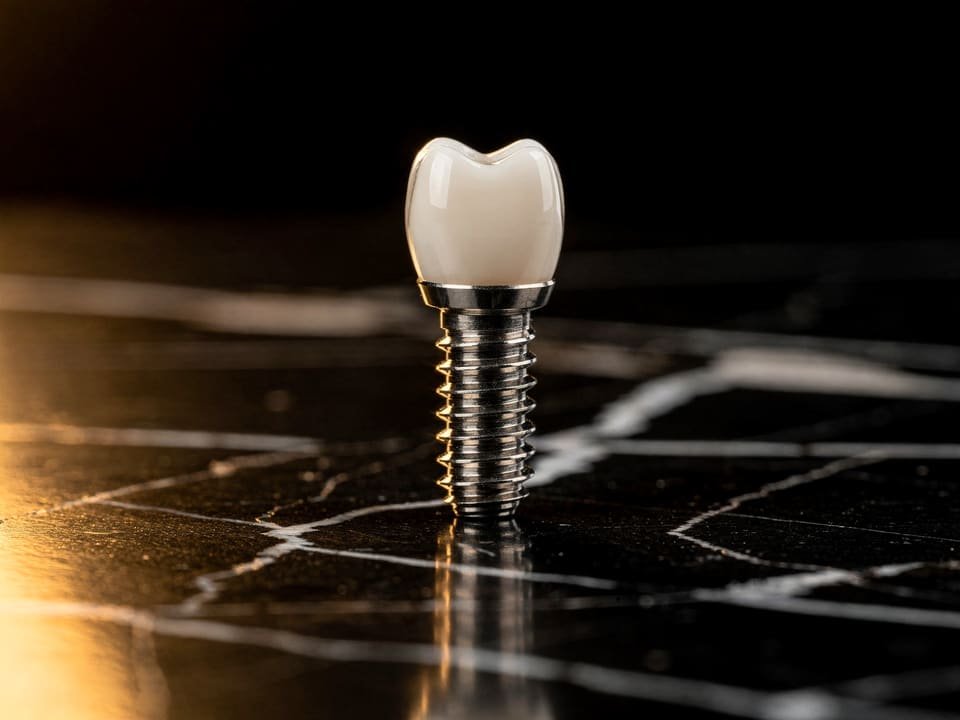
For back teeth and visible teeth, usually yes. A gap can let neighbouring teeth drift and affect your bite over time. Options include an implant, a bridge or a denture. Wisdom teeth are the exception and do not need replacing.

Results vary from person to person. Every treatment plan is decided after an in-person clinical examination.

Message us on Instagram WhatsApp us