RestorativeThe journal
Why a missing tooth matters: the domino effect, implants and bridges
One missing tooth can set the whole arch moving. Here’s what can happen when a gap is left, and how dental implants and bridges compare.
When a tooth is lost — to decay, a crack, gum disease or an accident — it is tempting to leave the gap alone, especially if it is at the back of the mouth where nobody can see it. It doesn’t hurt, you can still chew on the other side, and replacing it can feel like something for later. But a missing tooth rarely stays a problem that affects only one tooth.
The domino effect, explained
When you lose a tooth and don’t replace it — our body is always trying to close the gaps between the teeth. So, when you lose a tooth and don’t replace it with an implant or a bridge, the surrounding teeth start to shift.
Dr. Youssef El-Embaby
Teeth are held in balance by their neighbours and by the teeth they bite against. Remove one and that balance changes. Over time, the teeth on either side may tilt or drift into the space, and the opposing tooth in the other jaw can gradually move towards the gap because it has nothing to bite against. This does not happen overnight, and it varies from person to person, but it is one of the main reasons dentists encourage replacing a lost tooth rather than ignoring it.
What can follow a gap
- New gaps and food traps: as teeth tilt, small spaces open between them where food collects, making cleaning harder and raising the risk of decay and gum problems
- Changes to your bite: shifting teeth can alter how your upper and lower teeth meet, putting uneven pressure on other teeth
- Bone loss: the jawbone that supported the tooth is no longer stimulated by a root, and it tends to shrink over time
- Extra load on other teeth: you naturally chew more on the remaining teeth, which can increase wear
- Changes in appearance: with front teeth, or several missing teeth, the smile and even the support of the face can change
None of this means a single missing tooth is an emergency. It simply means the decision to leave a gap has consequences worth understanding.
Implant or bridge?
The two most common fixed ways to replace a single missing tooth are a dental implant and a bridge. Both can work very well; the right choice depends on your mouth.
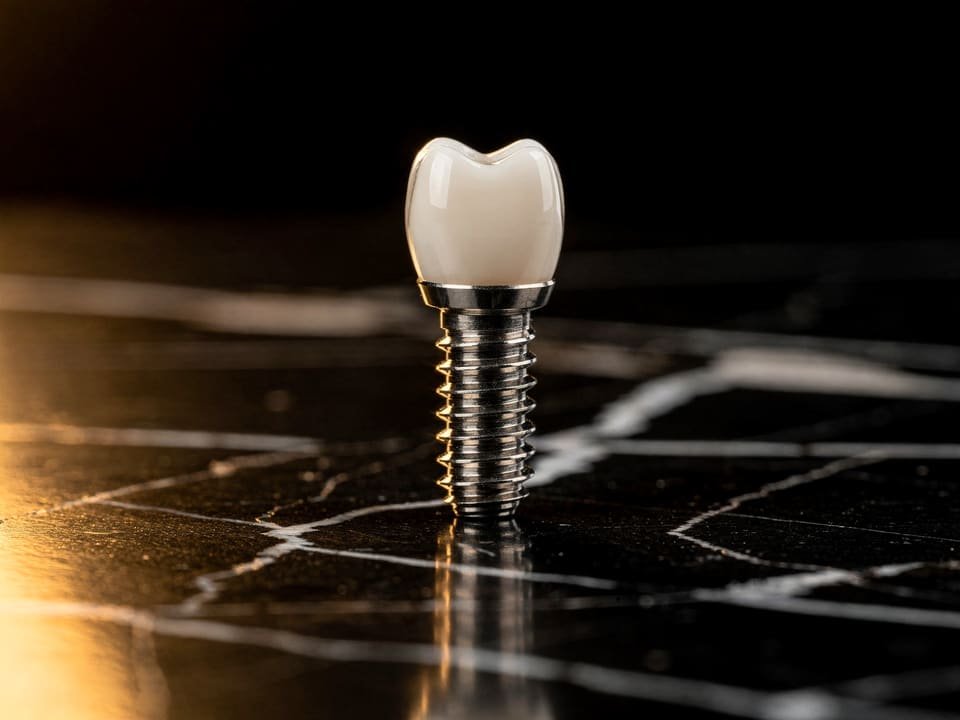
A dental implant is a small post, usually made of titanium, placed in the jawbone to act as a new root. Once it has integrated with the bone, a crown is fitted on top. Because it stands on its own, it does not rely on the neighbouring teeth, and it helps maintain the bone where it sits. Implants need enough healthy bone and good general health, and the process takes longer, because the bone needs time to heal around the implant.
A bridge replaces the missing tooth with a false tooth held by crowns on the teeth on either side. It is usually completed more quickly and does not involve surgery. However, the neighbouring teeth need to be prepared for crowns, which makes most sense when those teeth already have large fillings or need crowns anyway.
Before recommending either option, we assess the health of the neighbouring teeth, the amount of bone, your gums, your bite and your own preferences. Removable options also exist and can be appropriate in some situations.
Why timing matters
Planning the replacement early often keeps more options open. Bone tends to reduce after an extraction, and the longer a gap is left, the more the neighbouring teeth may have moved. In some cases an implant can be planned at the time of extraction or soon after; in others, the area needs to heal first, or bone grafting may be suggested. If you know a tooth needs to come out, it is worth discussing what will replace it before the extraction, not after.
If you have a gap, or a tooth that may need to be removed, book a consultation at our clinic in 3Sixty Mall, Fifth Settlement. We will examine the area, take any imaging needed and explain your options clearly, so you can make the right decision for your smile.

Session 06 · The Chair Sessions
The domino effect
One missing tooth can set the whole arch moving. Why replacing it with an implant or bridge matters.
Questions, answered
Is it too late to replace a tooth I lost years ago?
Not necessarily. Many long-standing gaps can still be restored, although some need extra steps first, such as bone grafting or orthodontics to reposition tilted teeth. An examination and X-rays will show what is possible.
Does getting a dental implant hurt?
Implants are placed under local anaesthetic. Some discomfort or swelling for a few days afterwards is common and is usually manageable with the aftercare and pain relief your dentist recommends.
Do I need to replace a missing back tooth?
Back teeth do much of the chewing, and the domino effect applies to them too. Even when a gap does not show, replacing the tooth is often recommended to protect your bite. We will discuss the options that suit you.
This article is general information, not a diagnosis. For advice about your own teeth, book an examination.
Your smile is your signature.