OrthodonticsThe journal
Braces vs clear aligners: how each works and who suits which
Both can straighten teeth well, but they fit very different lifestyles. Here’s how braces and clear aligners work, and how to choose between them.
Straighter teeth are not only about appearance. Well-aligned teeth are often easier to clean, and a balanced bite can spread chewing forces more evenly. Today, most adults and teenagers considering orthodontic treatment end up asking the same question: should I choose traditional braces or clear aligners? Both are well-established ways to move teeth. The best choice depends on your teeth, your bite and the way you live.
How braces work
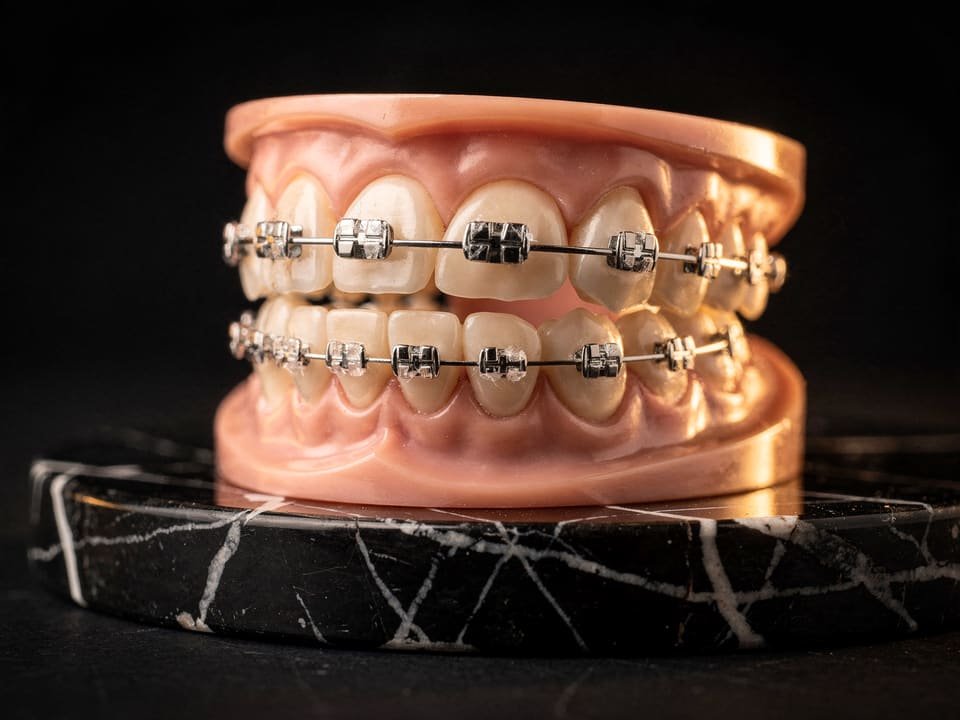
Fixed braces use small brackets bonded to the teeth and connected by a wire. The wire applies gentle, continuous pressure, and the orthodontist adjusts it at regular visits to guide the teeth into position. Brackets can be metal or tooth-coloured ceramic, which is less noticeable.
Because braces are fixed in place, they work day and night without depending on the patient to wear them. They also give the orthodontist a high degree of control over complex tooth movements, which is why they remain a strong choice for many cases.
How clear aligners work
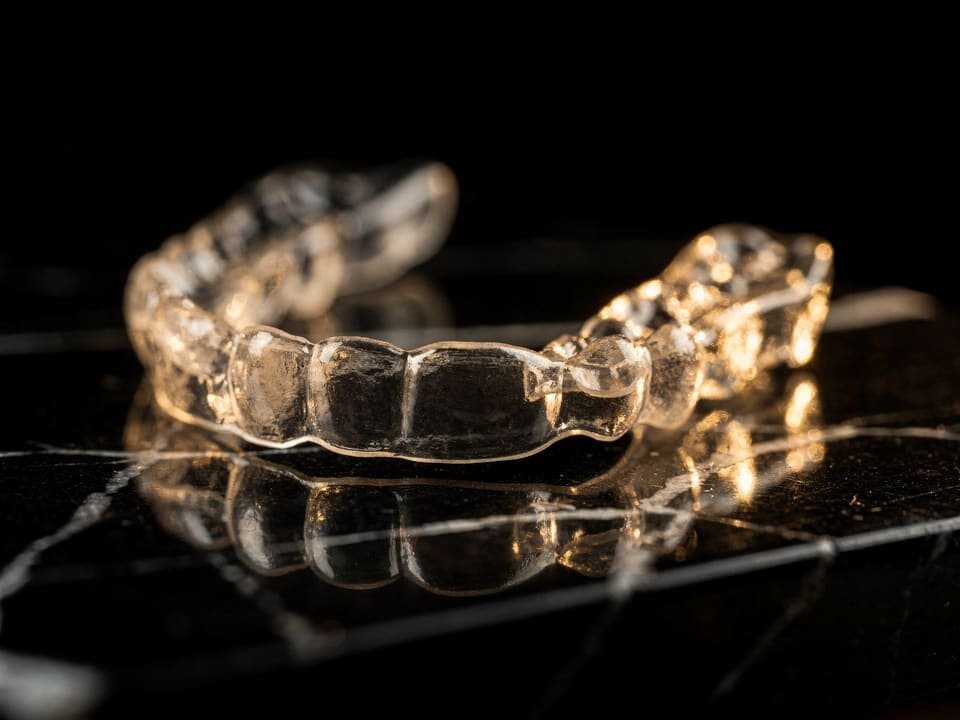
Clear aligners are a series of thin, transparent, removable trays made from a digital scan of your teeth. Each set is designed to move the teeth a small amount, and you change to the next set on a schedule set by your orthodontist. Small tooth-coloured attachments are sometimes bonded to certain teeth to help the aligners grip and move them more precisely.
The key point is that aligners only work when you wear them. They usually need to be worn for most of the day and night, and removed only to eat, to drink anything other than water, and to clean your teeth. Treatment planning is digital, so you can often see a simulation of the planned movement before you begin — though the final result always depends on how your teeth respond.
Who suits which?
There is a lot of overlap, and many cases can be treated well with either option. As a general guide:
- Braces may be the better fit for more complex bite problems, significant rotations, or when a patient is unlikely to wear removable trays consistently — for example, some younger patients
- Clear aligners often suit mild to moderate crowding or spacing, teeth that have moved again after previous orthodontic treatment, and adults who want a discreet option
- Some treatment plans combine approaches, or include other steps such as gum treatment or restorations once the teeth are aligned
Only a proper orthodontic assessment, with an examination and appropriate imaging, can tell you which options are realistic for your teeth.
Lifestyle, comfort and care
Daily life differs quite a bit between the two:
- Eating: with braces, hard and sticky foods can damage brackets, so some foods are best avoided. Aligners come out for meals, so there are fewer food restrictions — but they must go back in afterwards
- Cleaning: braces need extra effort around brackets and wires, often with interdental brushes or special floss. With aligners you brush and floss as usual, but you also need to clean the trays and brush before putting them back in
- Appearance: aligners are very discreet, and ceramic brackets are less visible than metal ones
- Comfort: both can cause some pressure or tenderness when a new stage begins, which usually settles within a few days
- Visits: both need regular check-ups so your orthodontist can monitor progress
After treatment: why retainers matter
Whichever option you choose, teeth have a natural tendency to move back towards where they started. Retainers — removable, fixed or both — are an essential part of treatment, not an optional extra. Your orthodontist will advise how and for how long to wear them.
If you are thinking about straightening your teeth, book a consultation at our New Cairo clinic in 3Sixty Mall. We will assess your bite, explain whether braces, clear aligners or another approach suits you, and answer your questions honestly.
Questions, answered
Am I too old for orthodontic treatment?
Teeth can be moved at almost any age, as long as the teeth and gums are healthy. We check your gums and bone support first, and treat any gum problems before orthodontics begins.
Are clear aligners faster than braces?
Not necessarily. Treatment time depends on the complexity of the case and, with aligners, on how consistently they are worn. Your orthodontist will give you an estimate after assessing your teeth.
Can veneers replace orthodontic treatment?
Veneers can sometimes disguise minor irregularities, but they do not correct the bite or move teeth. In many cases, aligning the teeth first is the more conservative route, and it can reduce how much preparation veneers need later.
This article is general information, not a diagnosis. For advice about your own teeth, book an examination.
Your smile is your signature.