CosmeticThe journal
E-max vs composite veneers: which lasts, and how each one ages
Both can look beautiful on day one. The real difference appears over the years — in colour, shine and strength. Here’s how to choose wisely.
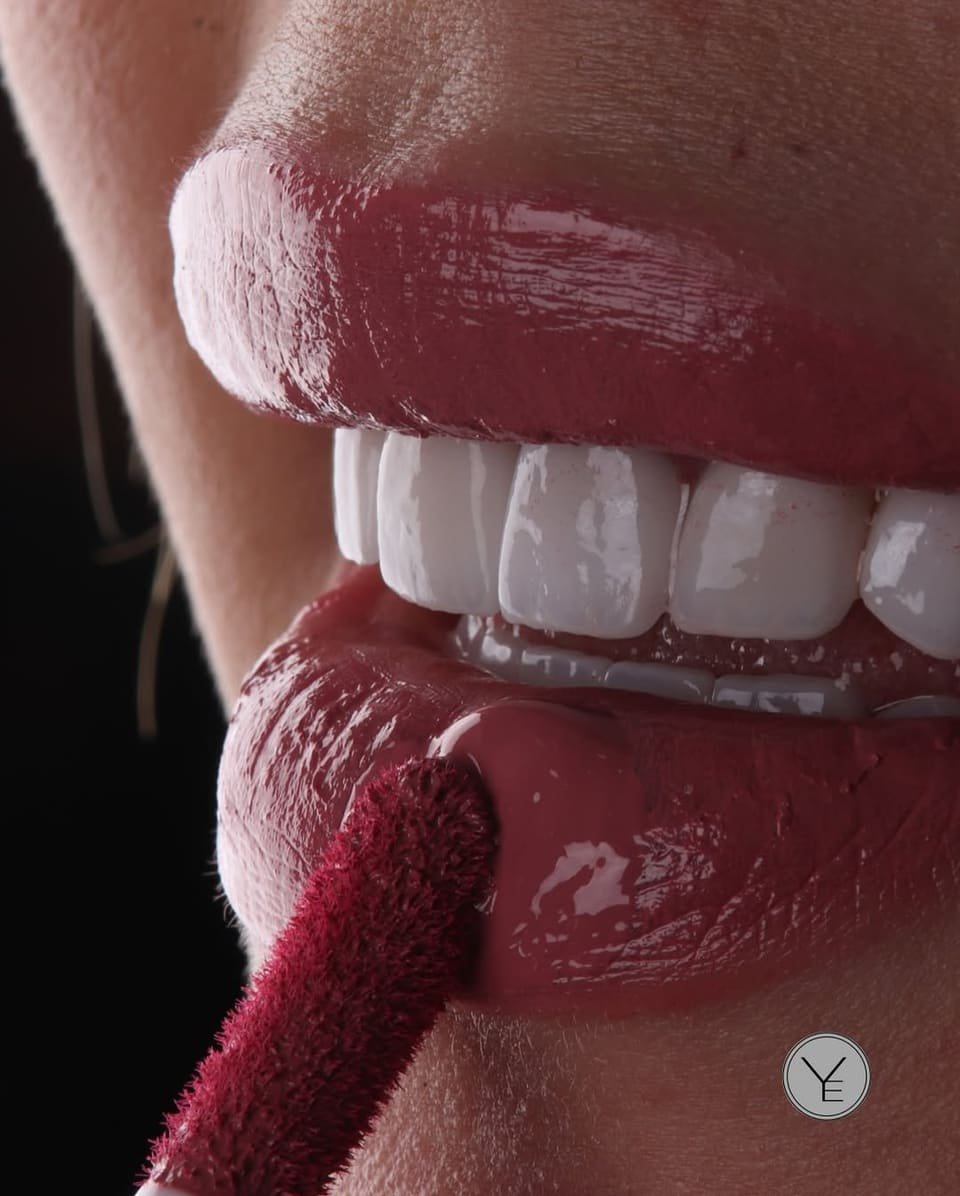
“Should I get composite or E-max veneers?” Dr. Youssef has answered this question more than 200 times in comments and messages, and it is usually the first thing patients ask at a cosmetic consultation in our New Cairo clinic. It is a fair question. Both options can change the colour and shape of your front teeth, both can look lovely on the day they are finished, and one is usually quicker and less expensive at the start. The real difference shows up later — in how each material behaves after months and years of eating, drinking, talking and smiling.
What each material actually is
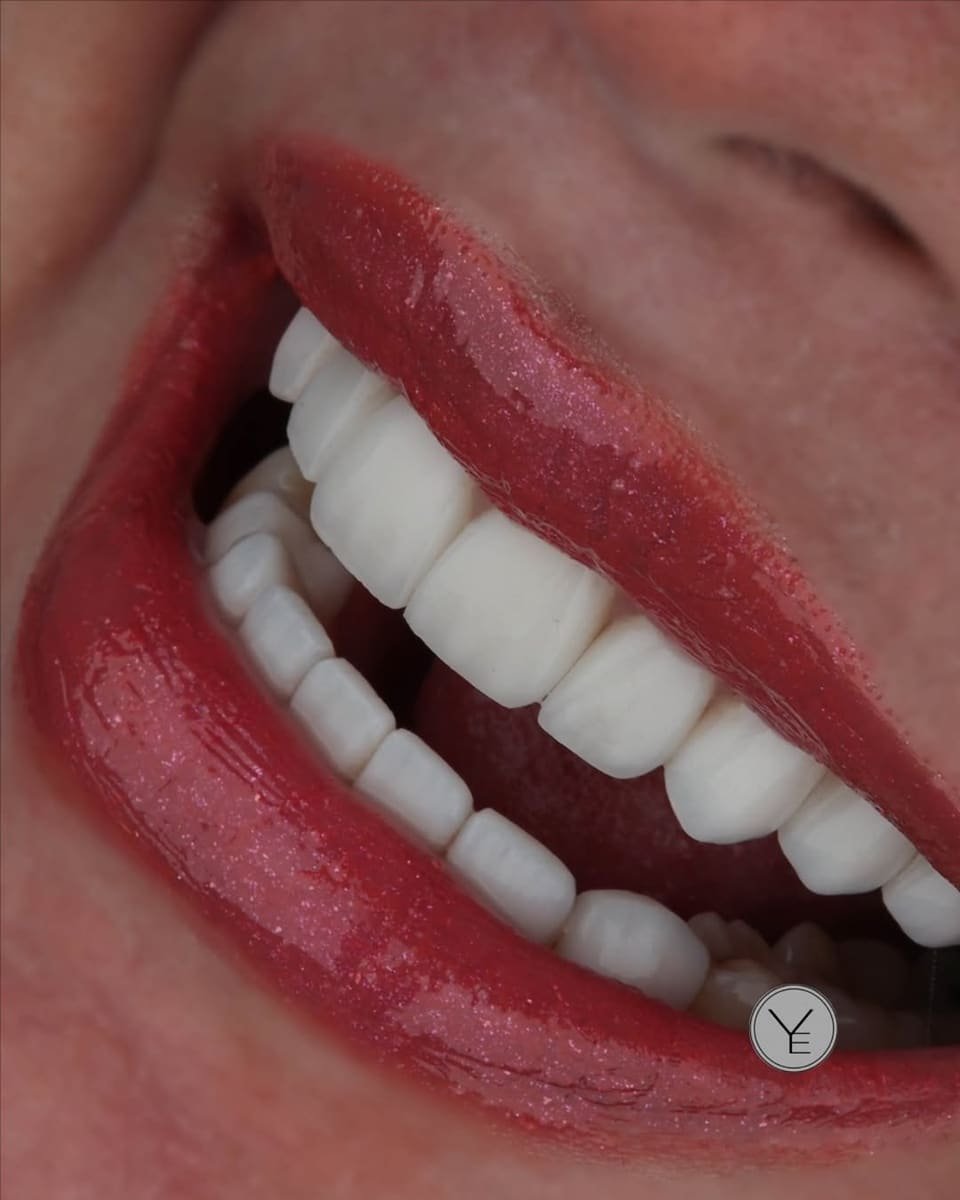
Composite veneers are made from tooth-coloured resin — the same family of material used for white fillings. The dentist applies it directly to the tooth in layers, sculpts it and hardens each layer with a curing light, often in a single visit. It is versatile and repairable, and it can be a good choice for small corrections.
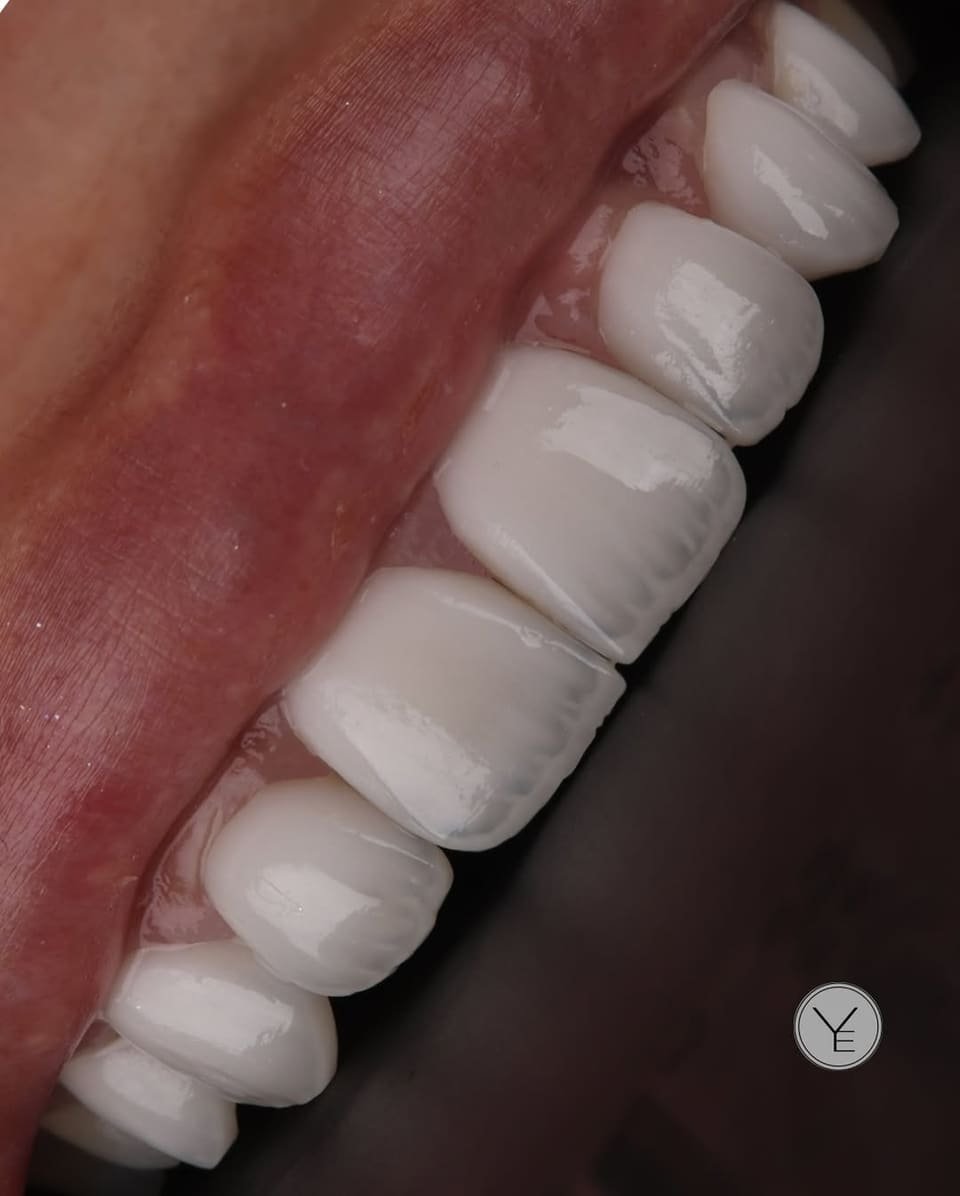
E-max veneers are thin shells of lithium disilicate ceramic. We use IPS e.max by Ivoclar, a glass-ceramic developed specifically for aesthetic restorations. Each veneer is designed digitally, crafted in the laboratory, glazed, and then bonded to the front of the tooth. Because it is a ceramic rather than a resin, it behaves much more like natural enamel: it is dense, smooth and lets light pass through it in a similar way.
E-max veneers are a material designed for cosmetic purposes… But composite veneers are a material that stains and breaks over time.
Dr. Youssef El-Embaby
How they age: colour, shine and strength
The difference between the two materials is, above all, a difference in how they age.
- Colour: composite is slightly porous, so over time it can absorb stains from coffee, tea, smoking and some foods. A glazed ceramic surface is far more resistant to staining and tends to keep its original shade.
- Shine: composite gradually loses its polish and can start to look dull, which makes it easier to tell apart from natural teeth. Glazed E-max generally keeps its lustre with normal care.
- Strength: composite edges are more prone to chipping, especially along the biting edges. High-strength ceramic resists fracture better, although no material is unbreakable.
- Maintenance: composite usually needs polishing, repairs or replacement along the way. E-max typically needs less maintenance, but it still relies on healthy teeth and gums underneath.
One honest clarification: porcelain itself cannot decay, but the natural tooth it is bonded to still can, especially at the edges near the gum. That is why good hygiene and regular check-ups matter just as much with ceramic veneers.
Thinking in value, not just price
Composite almost always costs less on the day. But a fair comparison looks at the whole journey: how many years the result keeps looking the way you wanted, how often it needs polishing or repair, and what each replacement means for your time and your teeth. For many patients who want a lasting cosmetic change, a well-planned set of E-max veneers turns out to be the better long-term value, even though the initial investment is higher.
That said, composite still has its place. It can be a sensible option for a young patient whose teeth are still developing, for a small chip on a single tooth, as a trial of a new shape, or when someone wants a simpler, more reversible step before deciding. We are always happy to tell you when the simpler option is the right one.
How we decide together
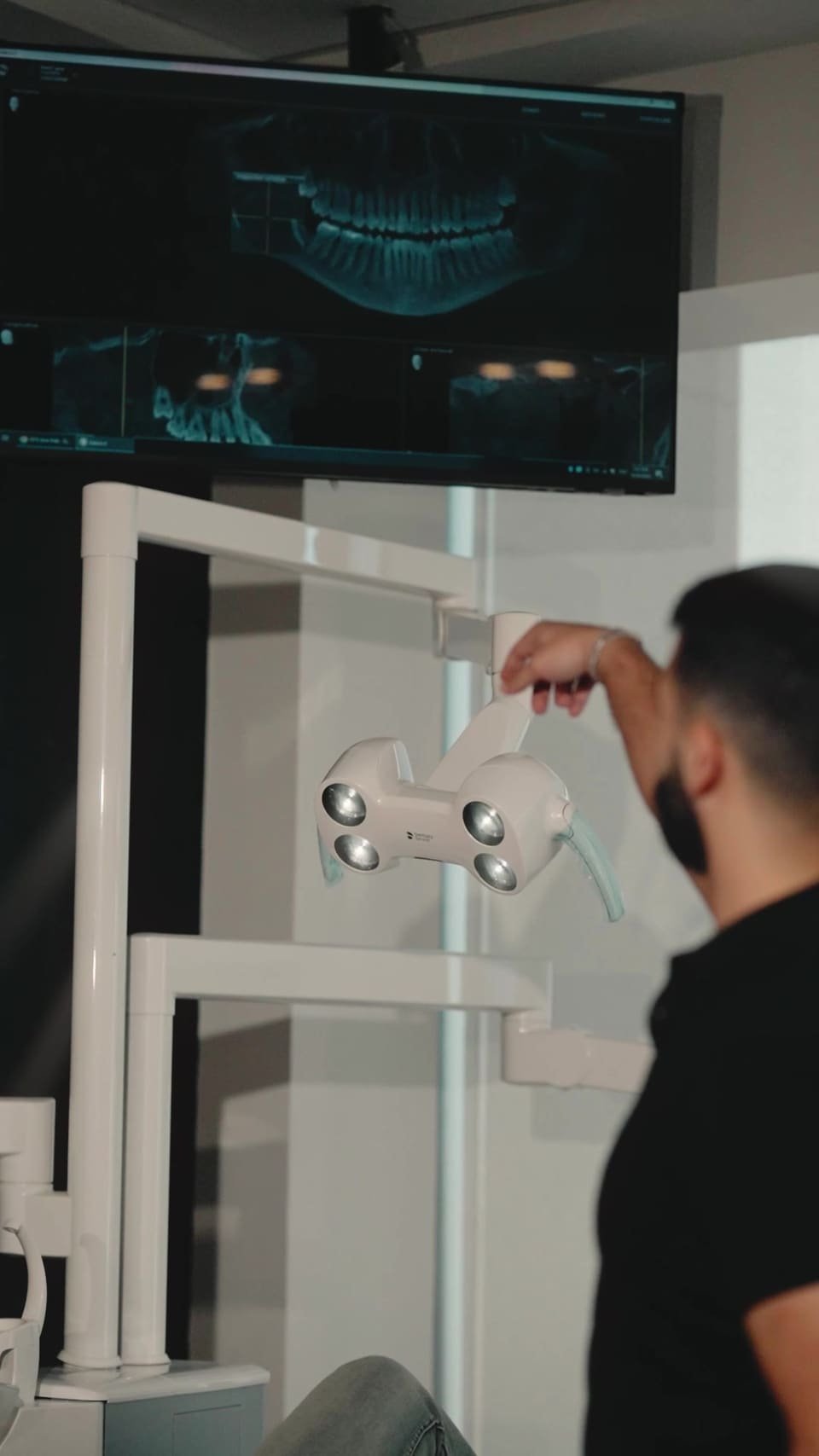
There is no single answer that fits every mouth. Before recommending anything, we look at the colour and condition of your teeth, your bite, any grinding habits, the health of your gums and what you would like to change. With digital smile design, you can see the proposed result on screen, and with a mock-up you can try the new shape in your mouth before any permanent step. Preparation is planned to be as conservative as your case allows — sometimes very little is needed.
If you are weighing up composite and E-max veneers, the best next step is a proper examination. Book a consultation at our clinic in 3Sixty Mall, Fifth Settlement, and Dr. Youssef will talk you through both options honestly, so you can choose with confidence.

Session 01 · The Chair Sessions
E-max or composite?
Dr. Youssef answers the most common veneer question: why porcelain E-max outlasts composite resin.
Questions, answered
Can composite veneers be replaced with E-max later?
Often, yes. Composite can usually be removed so the underlying teeth can be assessed. If they are healthy, E-max veneers can then be planned. Your dentist will check the teeth first, as every case is different.
Do E-max veneers stain?
The glazed ceramic surface is highly resistant to staining and tends to keep its shade. The edges where the veneer meets the tooth, and the gums, still need good daily care and regular check-ups.
Can I have veneers if I grind my teeth?
Grinding puts extra stress on any restoration, but it does not automatically rule veneers out. We assess your bite and habits, and we may recommend a custom night guard to protect your veneers while you sleep.
This article is general information, not a diagnosis. For advice about your own teeth, book an examination.
Your smile is your signature.